
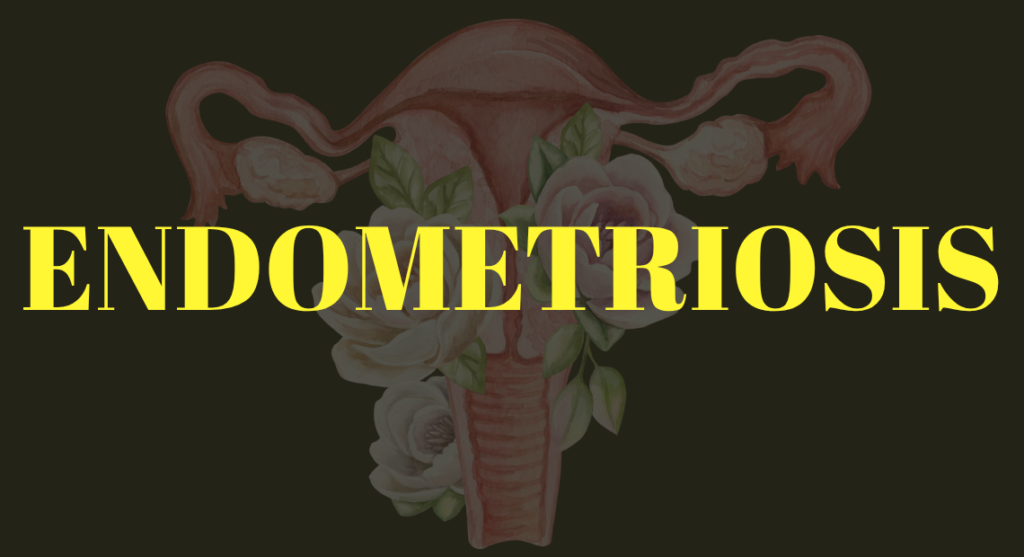
Endometriosis: When Period Pain Is More Than “Just a Bad Period”
For many women, painful periods are treated as something they simply have to endure. But when menstrual pain is severe, persistent or begins to interfere with everyday life, there may be more going on.
Endometriosis is a chronic inflammatory condition in which tissue similar to the lining of the uterus grows outside the uterus. It most commonly develops in the pelvis, where it can affect the ovaries, fallopian tubes and surrounding tissues, but it can occur in other parts of the body as well. An estimated 190 million women and girls of reproductive age worldwide are affected. (World Health Organization)
What happens with endometriosis?
The tissue associated with endometriosis responds to hormonal changes during the menstrual cycle. The surrounding areas can become inflamed, and over time the condition can contribute to scar tissue and adhesions.
The exact cause is still not known. Researchers are investigating several possible mechanisms, including immune-system changes, genetics and how menstrual tissue moves through the body. There is no single explanation that accounts for every woman who develops the condition. (World Health Organization)
And importantly, the amount of disease does not always correspond to the amount of pain. Some women have extensive endometriosis with relatively few symptoms, while others experience significant pain from comparatively limited disease.
How can it affect a woman?
The most familiar symptom is severe menstrual pain, but endometriosis can affect much more than a woman’s period.
Some women experience:
- Persistent or recurring pelvic pain
- Very painful periods
- Heavy menstrual bleeding
- Pain during or after sexual intercourse
- Pain with bowel movements or urination, particularly around menstruation
- Bloating, nausea or abdominal discomfort
- Fatigue
- Difficulty becoming pregnant
The condition can also affect a woman’s emotional and social life. Chronic pain can interfere with work, sleep, relationships, exercise and ordinary daily activities. For some women, fertility is also affected. (World Health Organization)
That is why repeatedly being told that extremely painful periods are simply something a woman should tolerate can be particularly damaging. Severe menstrual pain is not something that should automatically be dismissed as normal.
Why can diagnosis take so long?
Endometriosis can be difficult to recognize because symptoms vary considerably from one woman to another. Some women have few or no symptoms, while others experience debilitating pain.
The World Health Organization reports that diagnosis can take four to twelve years in some cases. Delays can occur because symptoms overlap with other conditions and because severe period pain has historically been normalized. (World Health Organization)
Diagnosis generally begins with a detailed medical and menstrual history and a physical examination. Ultrasound is commonly used, and MRI may be useful in particular circumstances. Importantly, current guidance does not require every woman to undergo surgery before treatment can begin. (World Health Organization)
Keeping a record of menstrual pain, bleeding, bowel or bladder symptoms and how symptoms affect everyday activities can also give a doctor a clearer picture of what is happening.
What treatments are available?
There is currently no definitive cure for endometriosis, but treatment can significantly reduce symptoms and help protect quality of life. The appropriate approach depends on the individual woman, the severity of her symptoms, whether she wants to become pregnant and what treatments are available to her. (World Health Organization)
Pain relief
Pain medicines, including non-steroidal anti-inflammatory drugs such as ibuprofen or naproxen, may be used to manage pain. A healthcare professional can help determine which medicines are appropriate and how they should be used. (World Health Organization)
Hormonal treatment
Because endometriosis is influenced by reproductive hormones, hormonal treatments can reduce or suppress symptoms for some women.
These may include combined hormonal contraceptives, progestin-based treatments and medicines that act on the body’s reproductive hormone system. However, hormonal treatment is not appropriate for everyone, particularly women who are actively trying to become pregnant. (World Health Organization)
Surgery
For some women, surgery can remove endometriosis lesions, adhesions or scar tissue. Surgery may be considered when symptoms are severe, when medication has not provided sufficient relief, or in particular fertility situations.
However, surgery is not automatically a permanent solution. Endometriosis can recur, and some women continue to experience pain after treatment. (World Health Organization)
Fertility support
Endometriosis can make conception more difficult for some women, although having endometriosis does not mean that pregnancy is impossible.
Depending on a woman’s circumstances, fertility treatment may include medication to assist ovulation, intrauterine insemination or in-vitro fertilization (IVF). A fertility specialist can help determine the most appropriate approach. (World Health Organization)
Managing the whole woman
Endometriosis is more than a gynecological problem when it becomes chronic pain. Some women benefit from a broader approach that can include pelvic-floor physiotherapy, specialist pain management, psychological support and other measures aimed at improving quality of life. (World Health Organization)
What about food and lifestyle?
There is understandable interest in using diet, exercise and supplements to manage endometriosis. A balanced diet, regular movement, adequate sleep and attention to overall wellbeing can support general health, but there is currently no particular food or supplement proven to cure endometriosis.
This distinction matters. Nutrition can be part of caring for the woman as a whole, but it should not replace appropriate medical evaluation or treatment.
A woman’s pain deserves to be taken seriously
Endometriosis can affect a woman’s body, fertility, relationships, work and emotional wellbeing. Yet one of its greatest challenges can be surprisingly simple: getting someone to recognize that the pain is real.
A period may be uncomfortable. Pain that repeatedly keeps a woman from living her life deserves attention.
If severe menstrual or pelvic pain is interfering with work, sleep, relationships, exercise or everyday activities, it is worth discussing with a qualified healthcare professional. Earlier recognition can open the door to appropriate treatment and support even though there is currently no single treatment that works for every woman.
For the millions of women living with endometriosis, the goal is not simply to learn to endure the pain. It is to understand what is happening in the body, receive appropriate care and find a treatment approach that allows her to live her life with as much comfort and freedom as possible.