

Depression and Menopause: When Your Mind Needs Care Too
Menopause is often discussed in terms of hot flashes, changing periods, weight, sleep and vaginal health. But there is another part of the menopause transition that deserves just as much attention: your emotional health.
Some women move through menopause without major changes in mood. For others, perimenopause—the years leading up to the final menstrual period—can be a surprisingly difficult time emotionally.
Depression can appear for the first time, or an earlier history of depression can return.
And this is important: depression is not a failure to cope with menopause. It is a health condition that deserves care.
Why Can Depression Appear Around Menopause?
The menopause transition is a period of considerable hormonal change. Estrogen levels don’t simply fall in a straight line; they can fluctuate considerably during perimenopause.
These hormonal changes can interact with the brain’s systems involved in mood, while hot flashes, disrupted sleep and other menopause symptoms can make things harder. Life circumstances can add another layer—caring for parents, raising children, relationship changes, financial pressure, work, loss, or simply realizing that many responsibilities have accumulated at once. (pmc.ncbi.nlm.nih.gov)
That doesn’t mean every episode of depression during midlife is caused by hormones. Depression has many possible causes, and sometimes menopause happens alongside other difficult life experiences.
Who Is More Vulnerable?
Any woman can experience depression, but the risk appears to be higher during the menopause transition than during some earlier reproductive years. Women who have experienced depression before are particularly vulnerable to another episode. (pmc.ncbi.nlm.nih.gov)
Poor sleep, persistent hot flashes, anxiety, chronic illness, major life changes and inadequate social support can also contribute.
This is one reason it is important not to dismiss a woman who says, “Something has changed. I don’t feel like myself.”
What Does Depression Actually Feel Like?
Depression is more than feeling sad after a difficult day.
It can look like:
- feeling persistently sad, empty or emotionally numb
- losing interest in things that normally bring pleasure
- feeling hopeless, helpless or unusually negative
- withdrawing from friends and family
- feeling exhausted even after resting
- sleeping far more or far less than usual
- changes in appetite or weight
- difficulty concentrating or making decisions
- feeling worthless, guilty or like a burden
Some women experience depression more as irritability, exhaustion or emotional shutdown than obvious sadness.
If these changes persist and begin interfering with everyday life, relationships or work, it is worth talking to a healthcare professional.
Depression or Menopause?
The two can overlap.
Menopause itself can cause sleep disruption, fatigue, difficulty concentrating and emotional changes. But persistent loss of pleasure, hopelessness, severe sadness or significant changes in functioning deserve a closer look.
You don’t have to figure out the difference by yourself.
A healthcare professional can assess your symptoms, medical history, medications, sleep and menopause symptoms and determine whether you may be experiencing depression or another condition.
What Can Help?
Treatment depends on the woman and how severe her symptoms are.
Talking therapy can be extremely valuable. Cognitive behavioural therapy (CBT), for example, can help women understand patterns of thinking, manage difficult emotions and develop practical ways of coping.
Movement matters too. Regular physical activity can support mood, sleep and overall wellbeing. It doesn’t have to mean an intense gym programme. Walking, dancing, swimming, cycling, strength training, yoga or simply moving your body regularly can all be part of a healthier routine.
Sleep deserves attention. Repeated night sweats and insomnia can leave a woman emotionally depleted. Treating troublesome menopause symptoms may therefore be an important part of improving wellbeing.
Social connection matters. Women need somewhere to talk honestly about what they are experiencing without being told to simply “snap out of it.”
Make Something
There is another wonderfully simple form of self-care that deserves a place in the conversation: creativity.
Drawing, painting, sewing, gardening, photography, music and other creative activities can give the mind something absorbing to focus on. Art therapy has been studied as a supportive approach for mental health, while research into creative activities more broadly suggests potential benefits for mood and wellbeing.
And you don’t have to consider yourself an artist.
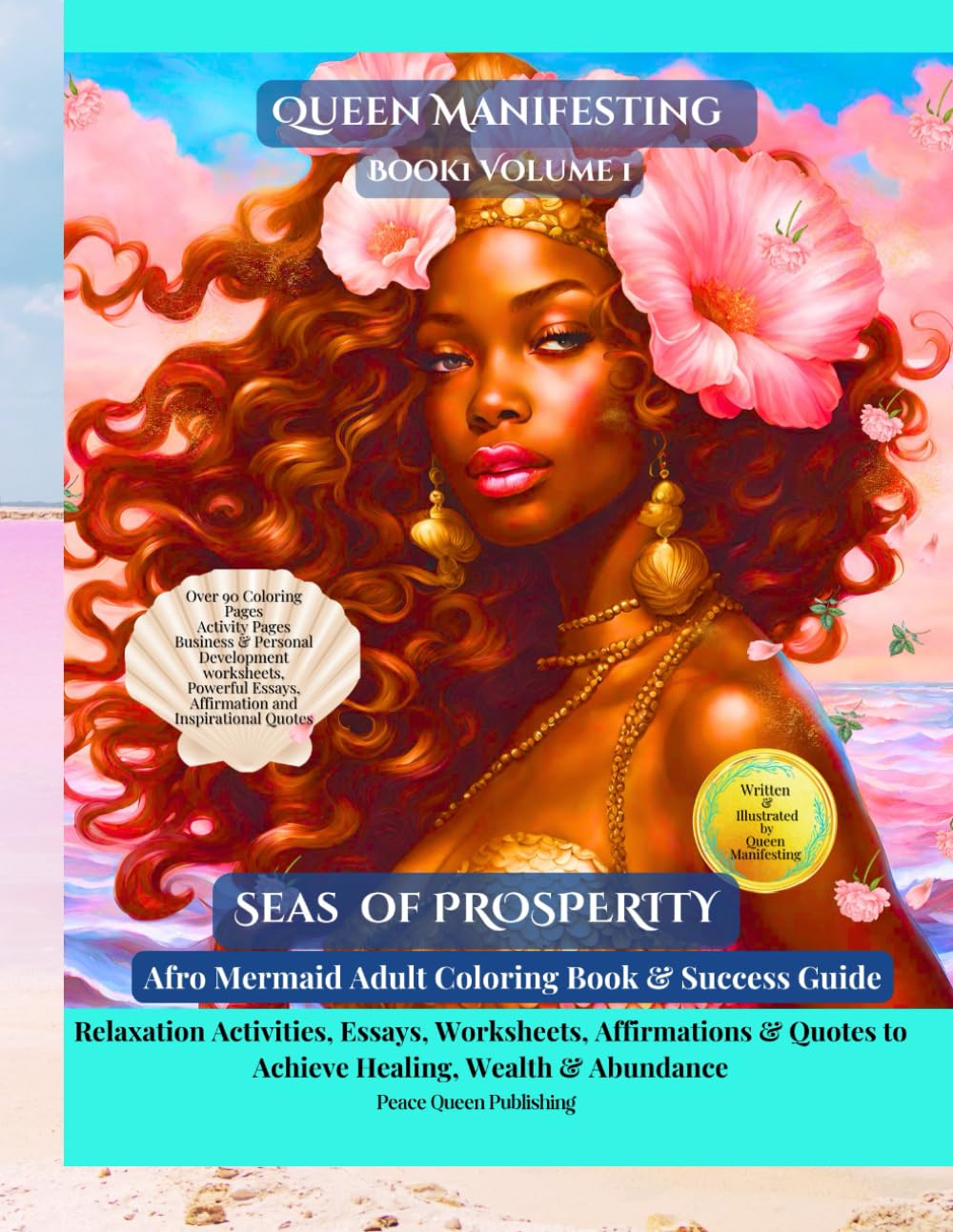
Adult colouring books can be a particularly accessible way to begin. Choosing colours, repeating patterns and concentrating on a page can create a quiet period of focused attention. Some women find the process calming and satisfying, and it can provide a welcome break from screens, worries and the constant demands of daily life.
The important distinction is that colouring is a wellness activity, not a treatment for clinical depression. Think of it as something that can sit alongside the things that genuinely treat depression—therapy, social support, medication when appropriate, exercise and proper medical care.
Sometimes the goal isn’t to produce beautiful art.
Sometimes it is simply to sit down, breathe, choose a colour and make something for yourself.
What About Hormone Therapy?
This is an area where the answer is more nuanced than “take hormones” or “never take hormones.”
Some evidence suggests estrogen therapy may improve depressive symptoms in certain women during the perimenopause or early menopause transition, particularly when mood symptoms appear closely connected with other menopausal symptoms. But menopausal hormone therapy is not a universal treatment for depression.
For women considering hormone therapy, the decision should take into account symptoms, age, medical history, cancer history, cardiovascular and clotting risks and whether the woman still has a uterus.
Can Food and Supplements Help?
A nourishing diet supports the brain and the rest of the body, but no particular food or supplement should be presented as a cure for depression.
Eating enough protein, vegetables, fruits, whole grains, beans, nuts and healthy fats gives the body the nutrients it needs. Omega-3-rich foods such as oily fish can be part of this pattern.
Herbs such as turmeric, ginger and ashwagandha are widely used in traditional health systems and are being studied for various aspects of wellbeing. However, evidence is not strong enough to treat clinical depression with these herbs alone. Some supplements can also interact with medications, so “natural” does not automatically mean risk-free.
And What About Black Women?
Depression affects women across racial and cultural groups, but mental health can be shaped by circumstances that are not always captured in clinical research.
For Black women, the pressures of caregiving, work, family responsibilities, financial stress, discrimination and limited access to culturally responsive mental-health care can all influence wellbeing. At the same time, Black women are not a single experience: African, Caribbean, African-American and diaspora communities can have very different circumstances.
The most important message is that depression deserves to be taken seriously wherever a woman lives.
There is nothing weak, dramatic or shameful about asking for help.
When It Becomes Urgent
If depression becomes overwhelming, or you begin thinking about death, suicide or harming yourself, seek urgent help rather than trying to manage it alone.
Tell someone you trust and contact an emergency service, crisis service or healthcare professional immediately. If you are in immediate danger, go to the nearest emergency department or hospital.
Your Mind Deserves a Golden Era Too
Women spend so much of their lives caring for everyone else that it can be difficult to recognize when they themselves need care.
Menopause can be a major physical transition, but it can also be a time when old emotions surface, circumstances change and the demands of life become heavier.
You don’t have to suffer quietly.
Depression is treatable. Therapy, social support, lifestyle changes, medication and—where appropriate—menopause treatment can all have a place.
And sometimes care can also look wonderfully simple: a walk, a conversation, music, a garden, a paintbrush—or an afternoon spent colouring something beautiful simply because it makes you feel good.
Your Golden Era isn’t supposed to mean pretending everything is fine. It means having the freedom to say when something isn’t—and getting the care you deserve.