

Uterine Prolapse: Caring for Your Pelvic Health Through Menopause
There is a part of a woman’s body that does an enormous amount of work but rarely gets much attention: the pelvic floor.
These muscles and supportive tissues help hold the uterus, bladder and bowel in place and play an important role in bladder and bowel control. Over time, pregnancy, childbirth, ageing, hormonal changes and repeated pressure on the pelvic floor can affect this support.
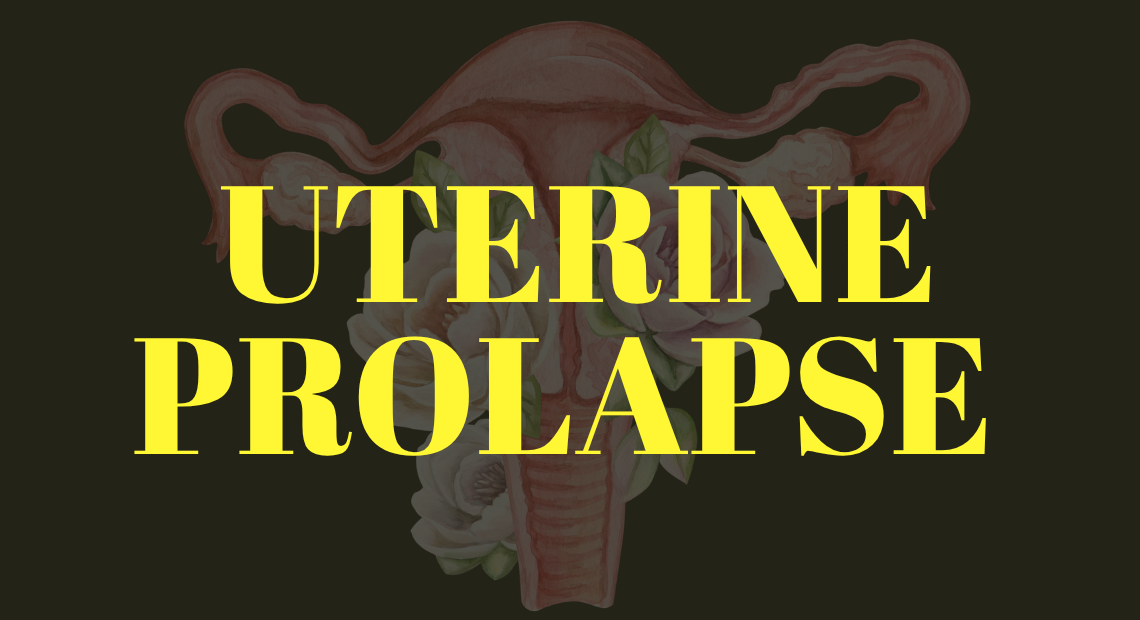
When one or more pelvic organs move downward and bulge into the vagina, this is called pelvic organ prolapse. When the uterus itself moves downward toward or into the vagina, it is called uterine prolapse.
It is a medical condition—not a sign that a woman’s body has failed her.
At What Age Does Prolapse Become More Common?
Pelvic organ prolapse can happen at any adult age, but it becomes more common as women get older.
Women may begin noticing pelvic-floor changes during their 40s and 50s, including during perimenopause and menopause. The likelihood continues to increase through the 60s and 70s, with prolapse symptoms particularly common among older women.
But age is only one part of the picture.
Pregnancy and vaginal childbirth can affect the pelvic floor much earlier in life. Other factors—including repeated heavy lifting, chronic constipation and straining, persistent coughing, previous pelvic surgery, body weight and individual differences in connective tissue—can also influence a woman’s risk.
For women in their 40s and 50s, this is a good time to become more aware of pelvic health—not because prolapse is inevitable, but because these are years when many women begin experiencing changes in their pelvic floor and reproductive tissues.
What Does Uterine Prolapse Feel Like?
A mild prolapse may cause no symptoms at all.
For other women, the first sign may simply be an unfamiliar feeling of pressure or heaviness.
Possible symptoms include:
- A feeling of heaviness, pressure or fullness in the pelvis or vagina
- A sensation that something is “coming down”
- A bulge or lump in or around the vaginal opening
- Lower pelvic or abdominal discomfort
- Urinary leakage or urgency
- Difficulty completely emptying the bladder
- Constipation or difficulty emptying the bowel
- A feeling that you need to press around the vagina or rectum to help empty the bowel
- Discomfort during sexual intercourse
Symptoms may become more noticeable after prolonged standing, walking, lifting or other activities that increase pressure inside the abdomen.
A vaginal bulge should not simply be dismissed as something every woman has to accept as she gets older. It is worth having it assessed, particularly if it is affecting your comfort or daily life.
Warning Signs: When Should You Have It Checked?
You don’t have to wait until a prolapse becomes severe.
Make an appointment with a your healthcare professional if you notice a new vaginal bulge, persistent pelvic pressure, changes in bladder or bowel function, or a sensation that something is moving downward.
A healthcare professional can determine whether the uterus, bladder, rectum or another pelvic structure is involved.
And if you are experiencing significant pain, bleeding, difficulty passing urine or an inability to empty your bladder or bowel, seek medical attention rather than trying to manage the problem yourself.
Are Black Women at Greater Risk?
This is an interesting area of women’s health research because the evidence does not support the assumption that Black women have a higher rate of pelvic organ prolapse.
Several studies, largely conducted in the United States, have found lower rates of symptomatic pelvic organ prolapse among Black/African-American women compared with White women. One population-based study of women over 40 found African-American women were significantly less likely to report symptomatic prolapse, and a later systematic review also found a lower pooled prevalence.
Researchers do not have one simple explanation for this difference. Pelvic anatomy, connective-tissue characteristics, childbirth patterns and other biological and social factors may all contribute. The existing research is also largely based on U.S. populations, so it should not automatically be applied to every Black woman around the world.
Most importantly, a lower average population risk does not mean that an individual Black woman is protected.
Pregnancy and childbirth, menopause, chronic constipation, repeated straining, persistent coughing, heavy lifting and other factors can still affect an individual woman’s pelvic floor.
The message is simple: know your body rather than worrying about a statistic.
Can You Prevent a Prolapse?
There is no guarantee that a woman can completely prevent pelvic organ prolapse. Some contributing factors—including childbirth, ageing and individual biology—cannot be controlled.
But there are practical ways to support the pelvic floor throughout life.
Strengthen Your Pelvic Floor
Pelvic-floor exercises, commonly called Kegel exercises, strengthen the muscles that help support the bladder, bowel and uterus.
Imagine that you are gently trying to prevent yourself from passing gas while also stopping the flow of urine. You should feel a gentle lifting and squeezing sensation.
A simple starting point is to:
Squeeze and lift for about three seconds, then completely relax.
Repeat 10–15 times, gradually building strength as it becomes comfortable.
Consistency matters more than squeezing as hard as possible. And remember that the pelvic floor needs to relax as well as contract.
Women who already have prolapse symptoms may benefit from seeing a pelvic-health physiotherapist, who can assess the pelvic floor and teach the exercises correctly. If exercises cause pain, increased pressure or worsening symptoms, stop and seek professional advice.
Protect Your Pelvic Floor Every Day
Pelvic-floor care isn’t about avoiding everything strenuous. It is about reducing unnecessary pressure while keeping your body strong and active.
Prevent constipation. Repeated straining puts additional pressure on the pelvic floor. Fibre-rich foods, adequate fluids and regular movement can help support comfortable bowel movements.
Be mindful when lifting. Whether you are lifting groceries, a child, water containers or weights at the gym, use good technique and avoid holding your breath.
Keep moving. Walking, swimming, cycling and strength training can support overall fitness. If high-impact exercise such as running or jumping makes your symptoms worse, modify the activity rather than abandoning exercise altogether.
Address a persistent cough. Repeated coughing increases pressure on the pelvic floor. A long-lasting cough deserves attention and treatment.
Look after your whole body during menopause. Adequate protein, nutritious food, strength training, good bowel habits and regular physical activity all contribute to healthy muscles and connective tissues.
Could Okra and SeaMoss Help?
Okra can be a useful food for supporting digestive and pelvic health.
Okra provides dietary fibre, and its naturally mucilaginous texture gives it a soft, slippery quality when cooked. Fibre, together with adequate fluids, can help support regular and comfortable bowel movements.
What About Sea Moss?
Sea moss can be part of a varied, nutritious diet and provides minerals and some fibre, Its value is nutritional rather than medicinal, so it should not replace pelvic-floor exercises, treatment for constipation or appropriate medical care.
That matters because chronic constipation and repeated straining can place additional pressure on the pelvic floor.
So foods such as okra, beans, vegetables, fruits and whole grains can be part of a diet that supports healthy bowel habits.
Think of foods such as okra and Seamoss as part of the bigger picture not a cure for prolapse.
What About Supplements?
There is currently no vitamin, herb or supplement proven to reverse uterine prolapse or rebuild weakened pelvic-support structures.
A nutritious diet containing adequate protein, fibre, vitamins and minerals supports healthy muscles and connective tissues. If a woman has a genuine nutritional deficiency, correcting it may be beneficial.
But be cautious of products claiming to “lift the uterus,” “tighten the vagina” or reverse prolapse naturally. These claims should not replace evidence-based medical care.
Your pelvic floor needs strength, function and support—not a miracle capsule.
What Treatments Are Available?
Treatment depends on the type and severity of the prolapse and how much it is affecting a woman’s life.
If a prolapse is mild and not causing problems, a healthcare professional may recommend monitoring it.
For women with symptoms, treatment may include pelvic-floor muscle training, lifestyle changes and a vaginal pessary—a device fitted inside the vagina to provide support.
For some women after menopause, local vaginal estrogen may be recommended to improve vaginal tissue health and comfort, particularly when hormonal changes have contributed to dryness or tissue changes. This is a medical treatment and should be discussed with a healthcare professional.
If prolapse is more advanced or significantly affecting quality of life, surgery may be considered. The appropriate procedure depends on the type of prolapse, symptoms, overall health and the woman’s personal circumstances.
Your Body Is Not “Falling Apart”
The phrase “your uterus is falling out” can sound frightening. But pelvic organ prolapse is a medical condition that can often be managed, and many women have effective nonsurgical options.
Most importantly, there is no shame in talking about it.
Your body has carried you through years of living, working, pregnancy, childbirth, caring for others, exercising and simply getting on with life. Sometimes those tissues need a little more attention and support.
Menopause is not the end of caring for your body. It is another stage of life in which your body may ask for different kinds of care.
Pay attention to the signs. Strengthen what you can. Nourish your body. And ask for help when you need it.
Your pelvic health is part of your health and you deserve to feel comfortable in your body.